


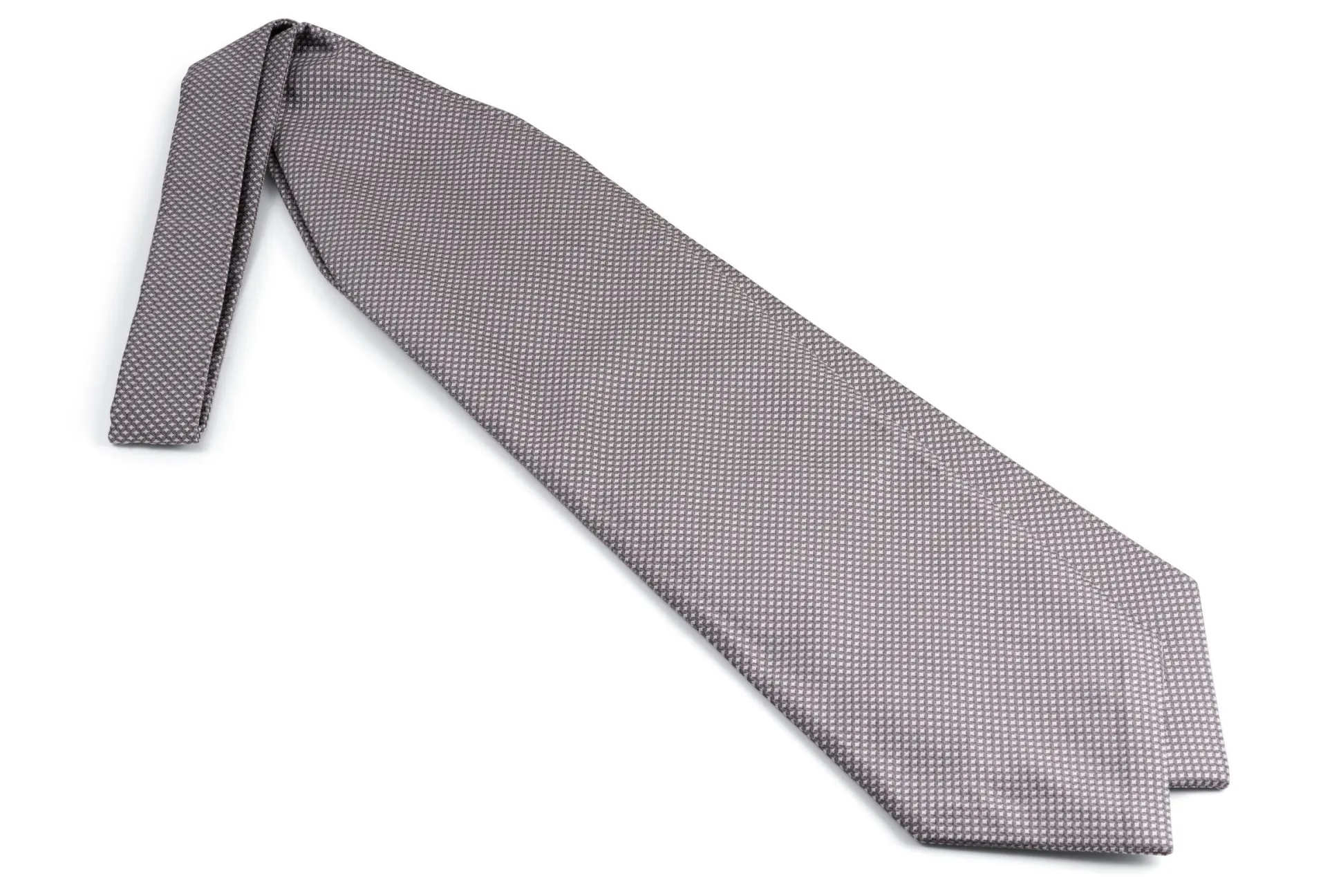


Silver Diamond Formal Wedding Ascot
Original price was: 195,00 $.126,99 $Current price is: 126,99 $.
Formal Style with a Diamond Waffle Micropattern
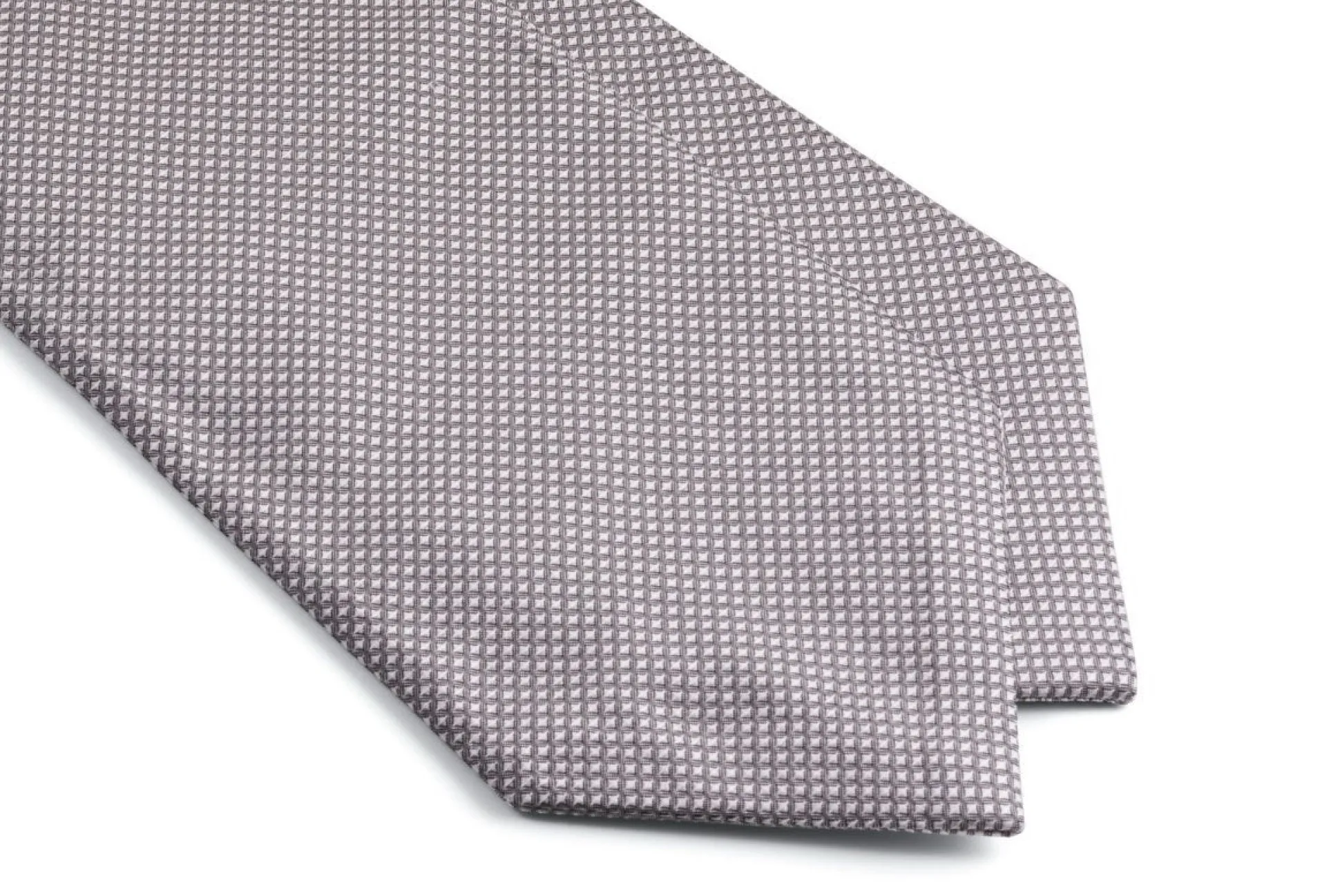
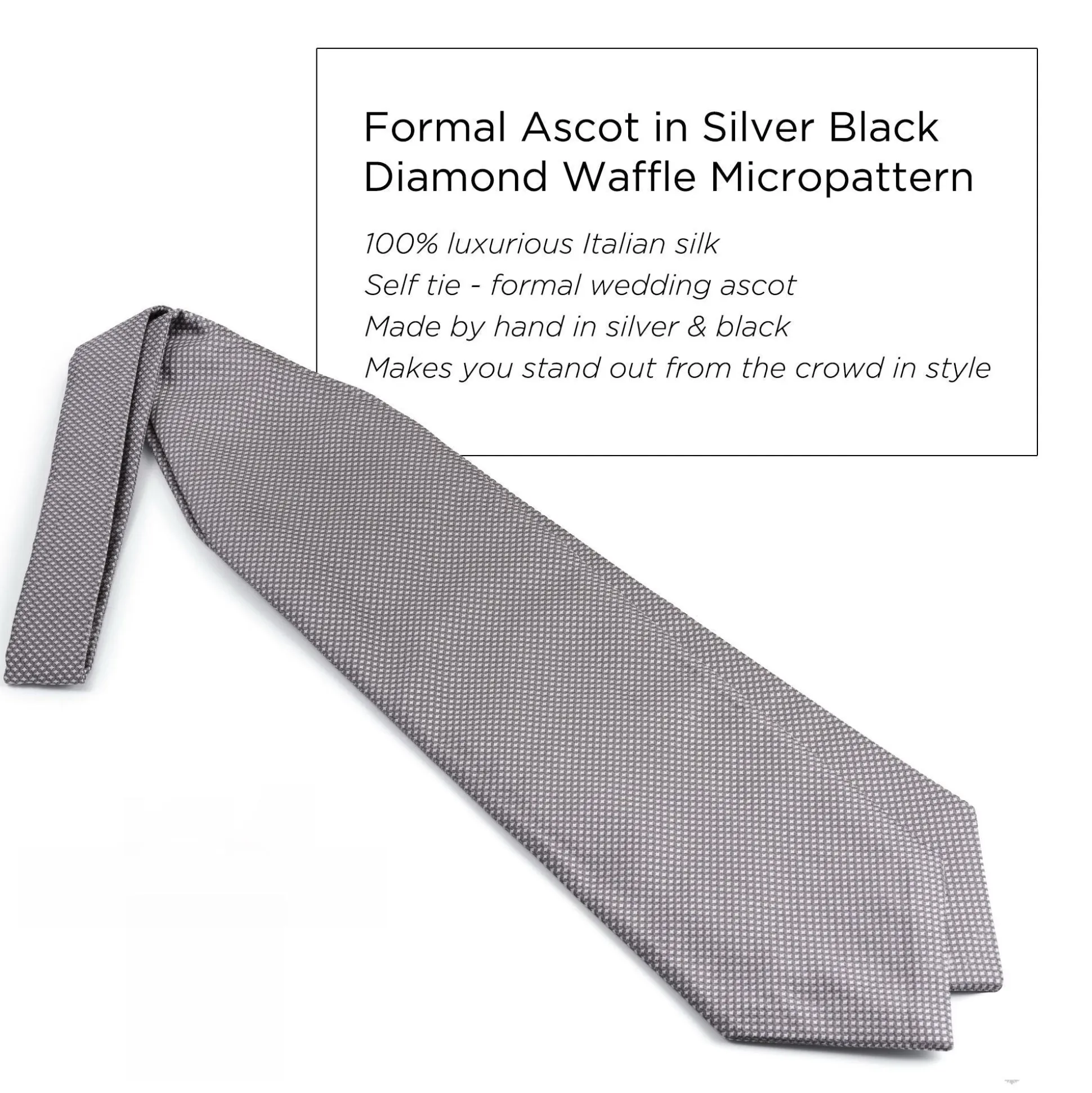
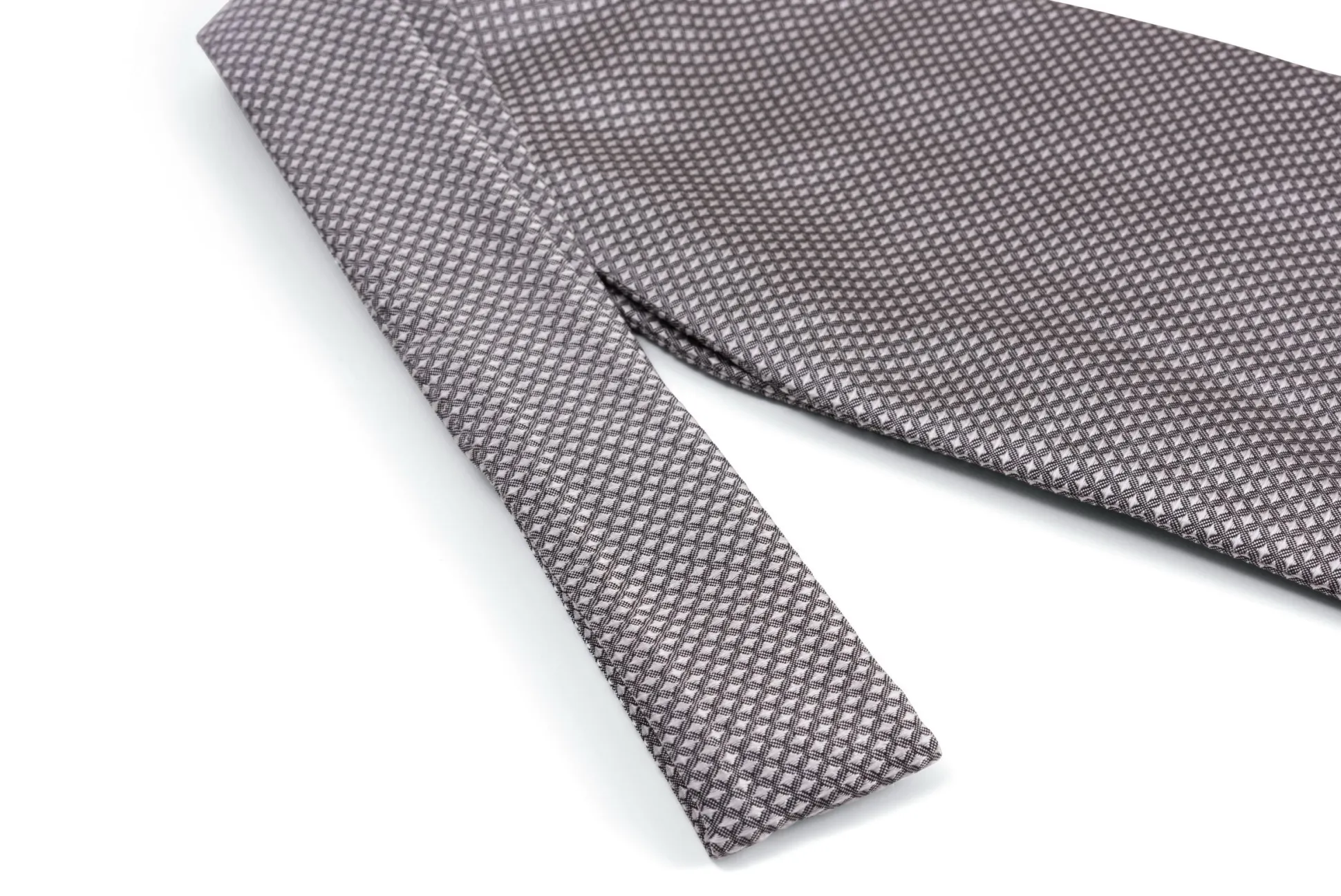
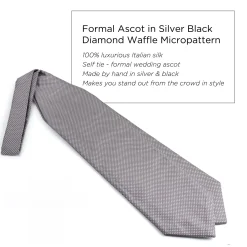
This formal ascot features a diamond waffle micropattern that has been rendered on a jacquard loom. The pattern is sufficiently understated to reflect the decorum necessitated by morning wear, but the elegantly subtle pattern creates refined visual interest that neatly sets off the solid pattern of your shirt and tailcoat.
Utilizing the traditional formal morning wear color scheme of silver and black, this formal ascot will harmonize effortlessly with any traditional morning wear ensemble and impart muted and sophisticated vibrancy to your overall look.
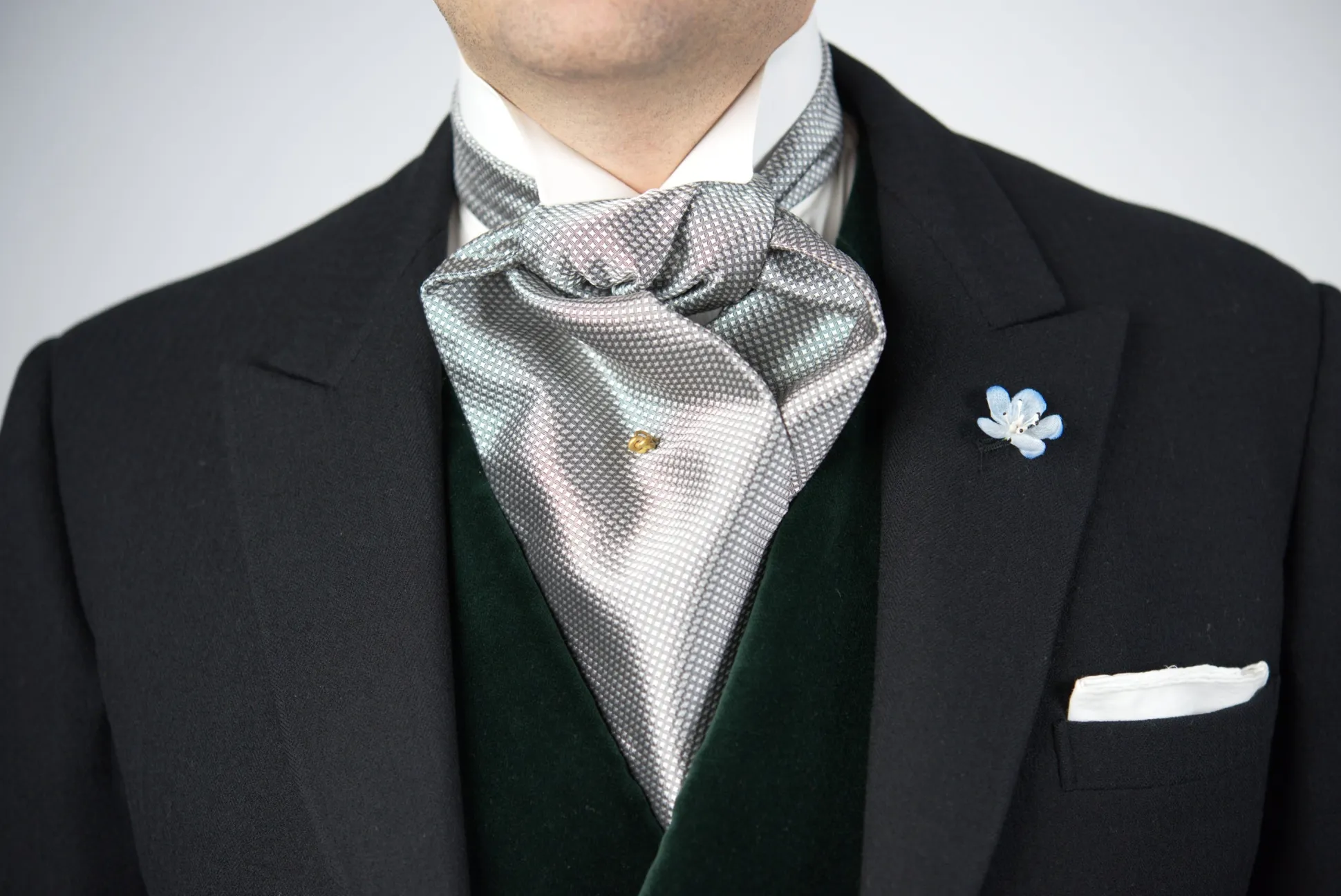
Ideal for special daytime occasions like weddings, reenactors who wish to capture the genuine spirit of the 1920s and 1930s, and Classic Style enthusiasts whose formal day ensembles have advanced beyond neckties and bowties, this formal ascot will become a central component of your formal morning wear ensembles. Paired with a boutonniere and white pocket square, it will also render your outfit the epitome of daywear elegance.
Recall that a formal day ascot should only be worn as part of an ensemble that reflects genuine morning wear formality and is centered around a morning coat, morning suit, frock coat, or stroller suit. It should not be worn with daywear suits, blazers, combinationals, or any form of evening wear, such as tuxedos, dinner jackets, smoking jackets, or white tie tailcoats.
Questions?
If you have questions or need style advice in choosing neckwear for yourself or someone else, let us know, we are happy to help.
SKU: 4054956018882
Stand Out with Style Worthy of the Royal Ascot
- Essential for Classic Formal Day Attire
- Totally Unique Vintage-Inspired Accessory
- Crafted from 100% Luxurious Italian Silk
- Made by Heritage Italian Artisans
- Intricate Jacquard Weave
- Self-Tying So You Can Choose the Knot
The Difference Between Casual and Formal Ascots
While formal ascots are obviously intended to be worn with formal ensembles and casual ascots with casual, there are also important compositional differences between the two articles.
A formal ascot is double-sided and made from a limited range of fabrics and colors, primarily silver and black, while a casual ascot can come in effectively any color.
A formal ascot is lined to ensure exquisite structure and drape, while a casual ascot is unlined for maximum lightness and breathability.
A formal ascot is intended to be worn underneath a shirt collar and fastened with a stick pin, while a casual ascot is often worn directly against the skin and without the need of a fastener.
Decadently Woven Jacquard
Jacquard silk is a type of fabric that features intricate patterns woven directly into the material, rather than being printed or dyed on. This is achieved through the use of a special loom called the Jacquard Loom, which allows individual control of each thread. The result is a highly textured and patterned silk with a distinct look and feel.
Jacquard silk is a testament to the exquisite craftsmanship and enduring allure of Old World charm. Its intricate patterns, woven directly into the fabric, speak of an era where artistry and attention to detail were paramount. The subtle sheen and luxurious texture of jacquard silk are reminiscent of royal tapestries and opulent attire, making it a timeless treasure in the world of fabrics.
Sizing Your Ascot
Unlike neckties and bow ties, ascots are sold “one size fits all.” This can be an issue with cheaper ascots, because manufacturers, to save money on fabric, will make the neck band very short, making it uncomfortable or impossible for larger people or those with thick necks to wear their ascots.
At Fort Belvedere, we determined the perfect size for our ascots to fit every neck but not to have excessive and billowy fabric. Our ascots have neckbands of sufficient length to sit comfortably and to be tied in various ways without appearing odd or awkward.
Care
Cleaning
If your ascot becomes stained, it can be spot cleaned with a mild detergent suitable for silks.
Make a mixture of tepid water and the detergent and gently blot the stain with a clean cloth.
Allow the ascot to air dry flat.
Pressing
If your ascot begins to develop wrinkles, gently steam the wrinkles out with a garment steamer on its lowest heat setting. Avoid ironing your ascots, because the flat edge of the iron and the localized heat can ruin the delicately turned edges of the ascot.
Storage
Similar to a necktie, attentive storing of your ascot will prevent unnecessary wrinkling or damage. Ascots should be loosely hung up or stored and laid down flat. Take care to ensure that no part of the ascot is excessively twisted or crumpled.
Be the first to review “Silver Diamond Formal Wedding Ascot”
Related products
Accessories
Accessories
Accessories
Accessories
Accessories
Accessories
Accessories
Accessories
Accessories
Accessories

Reviews
There are no reviews yet.